Rice harvest in Sapa and Northwest Vietnam runs from mid-August into the season, moving valley by valley. Nam Cang golds earliest, from mid-August. The main Muong Hoa terraces around Sapa turn richest between September 10 and 15, while the higher Lai Chau routes come into gold from mid-September and hold it into early October. Late September is the busiest week, so travelers wanting full gold with fewer crowds may want to visit a little earlier in the window.
When does the rice turn gold?
There is no single date that fits all of Sapa. Because the region’s rice harvest season moves with altitude, planting date, and each year’s weather, two valleys a short drive apart can look weeks apart in color. Here is how the timing actually works, and where to stand to catch it.
Why altitude decides the timing
The core principle is simple: lower fields ripen first, higher fields ripen last. Lower terraces sit in warmer air, get planted earlier, and mature faster, while higher terraces stay cooler, are planted later, and ripen more slowly. That is why two ends of the same valley can be gold and green at the same time during Sapa’s rice harvest season.
In practice, you might find the floor of Muong Hoa already cut and bagged while the terraces a few hundred meters up the same slope are still deep green — the same valley, two weeks apart. Water source and sun exposure add more variation on top of that. The result is not one moment of peak color but a rolling wave that moves gradually across the region over several weeks.
Peak viewing by area
| Region | Estimated peak viewing | Field notes |
|---|---|---|
| Nam Cang | Mid-August to early September — the earliest in the Northwest | Golds before Sapa’s main valleys. Quiet, with far fewer large groups and a closer experience with local families. |
| Muong Hoa Valley (Sapa) | Late August to mid-September, richest around September 10–15 | The easiest valley to reach, and the most crowded at peak. Weekends bring heavy domestic-tourist traffic. |
| Lai Chau routes | Mid-September to early October | Higher and later than Sapa. A longer viewing window, and a longer but more scenic drive. |
Week by week
If you want to plan tightly, this is roughly how the gold spreads across the region:
- Mid-to-late August: Nam Cang and the lowest Muong Hoa fields begin to turn.
- Early September: gold spreads across Muong Hoa; Nam Cang is at its richest.
- September 10–15: the main Muong Hoa terraces hit their peak.
- Mid-September into early October: the higher Lai Chau routes come into gold and hold it longest, while Sapa’s lower fields are already being cut.
For a full month-by-month view of Sapa beyond harvest, a dedicated Best Time to Visit Sapa guide is coming soon.
How we know
The Morning Vietnam team monitors field conditions every week through a network of local guides and homestay hosts across Sapa, Nam Cang, and Lai Chau, who report color changes valley by valley in real time. It lets us catch early or delayed shifts that other sources miss.
Check current field conditions in our WhatsApp Community before you lock in your dates — it is the same real-time reporting we use ourselves.
The result is not one moment of peak color but a rolling wave that moves gradually across the region over several weeks.
Why August–September, not the postcard you’ve seen
If you have seen glowing green terraces on Instagram, that photo was most likely taken in June or July, during the water season when the fields are freshly flooded and planted. It is a striking sight, but it is not harvest season.
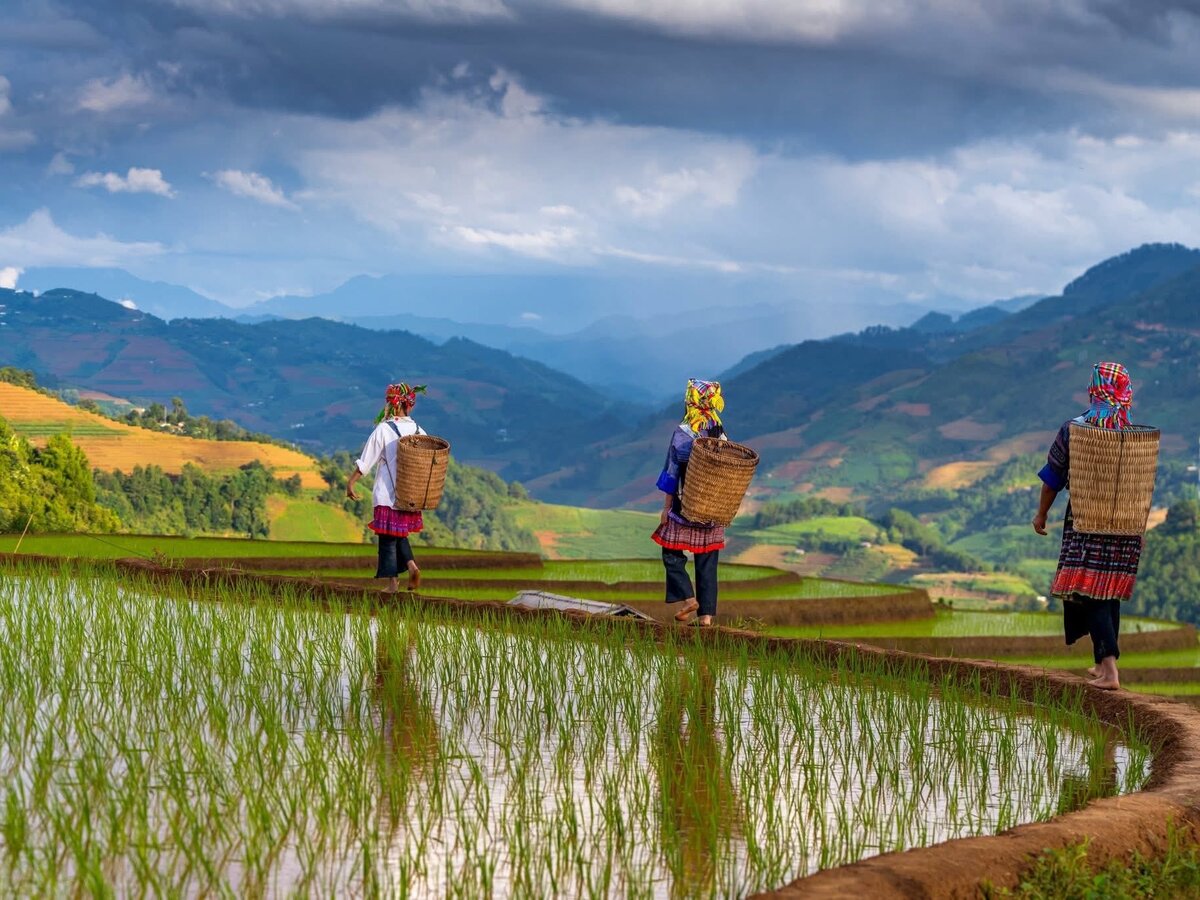
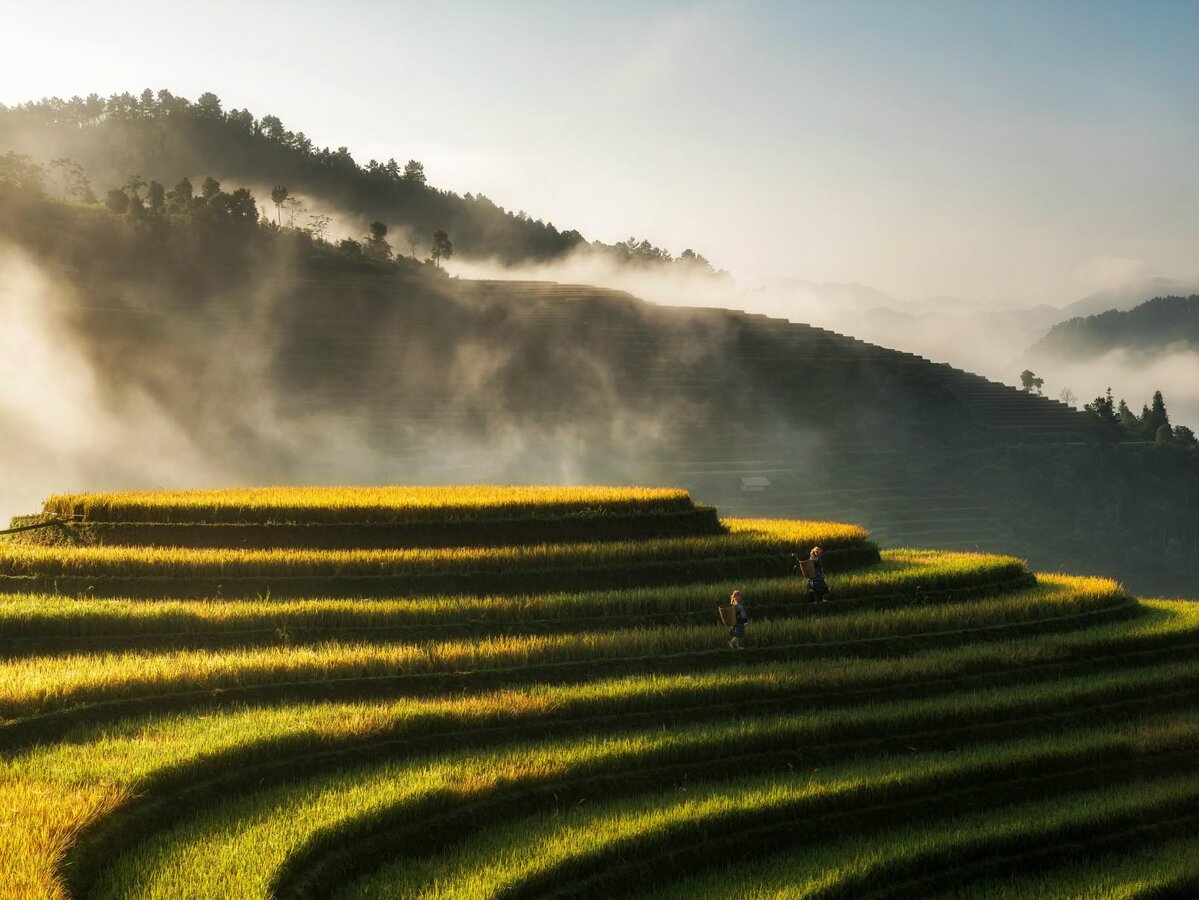
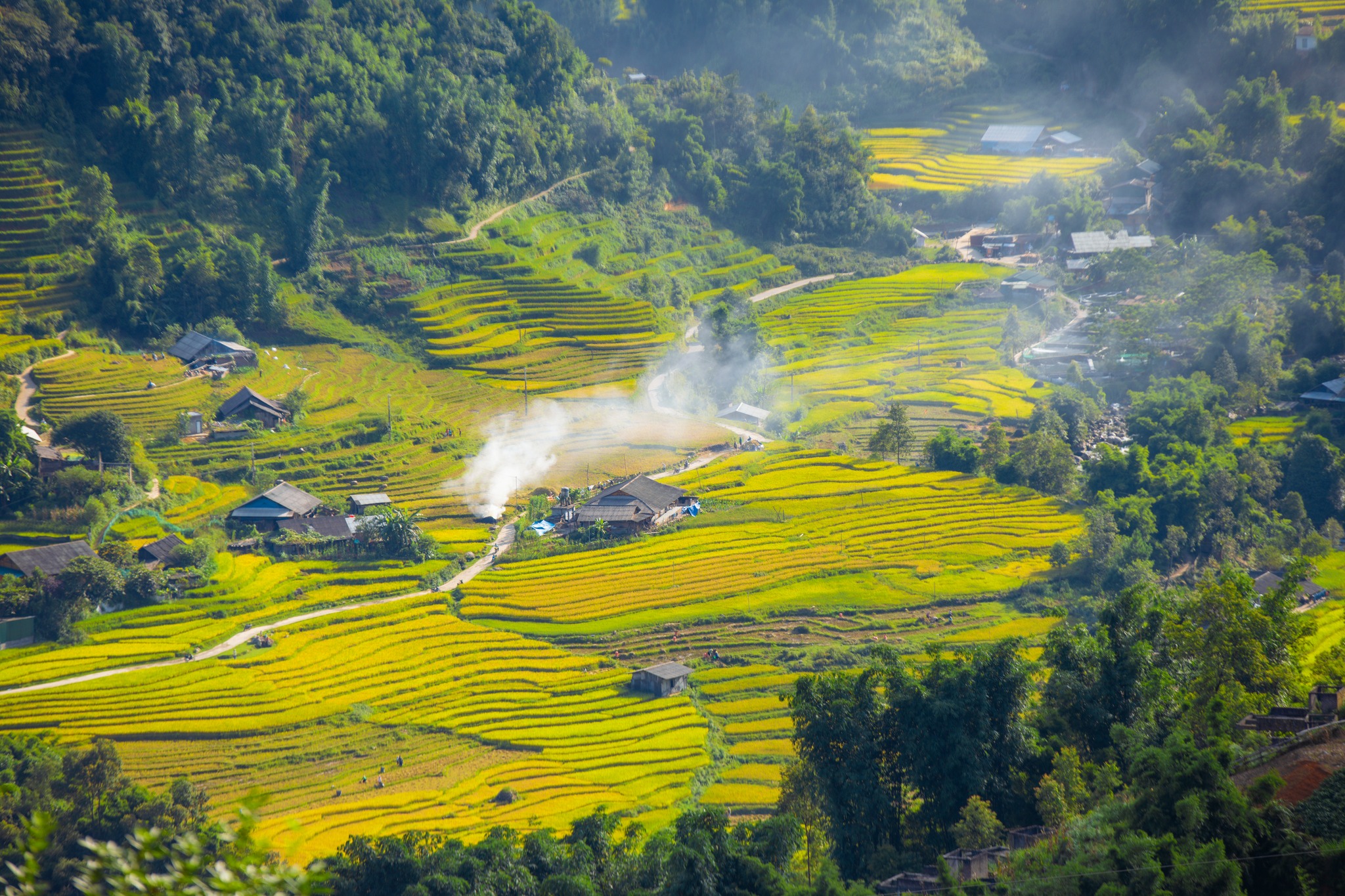
By August and September the landscape changes completely. Fields turn gold rather than emerald, stubble and cut stalks appear as harvesting progresses, and you will see farmers cutting and bundling rice by hand. It is a more lived-in, working landscape than a glassy postcard shot.
We point this out early because we would rather give you an honest picture than a flattering one. Visitors who arrive knowing what to expect — golden terraces and real harvest work, not flooded green mirrors — tend to have a better trip and leave happier. Everything here is limited to what our local network can actually confirm on the ground, not what photographs best.
Where to go: Sapa vs Nam Cang vs Lai Chau
Sapa center, Nam Cang, and the Lai Chau route each offer a genuinely different experience. None is objectively “better” — they simply suit different travelers.
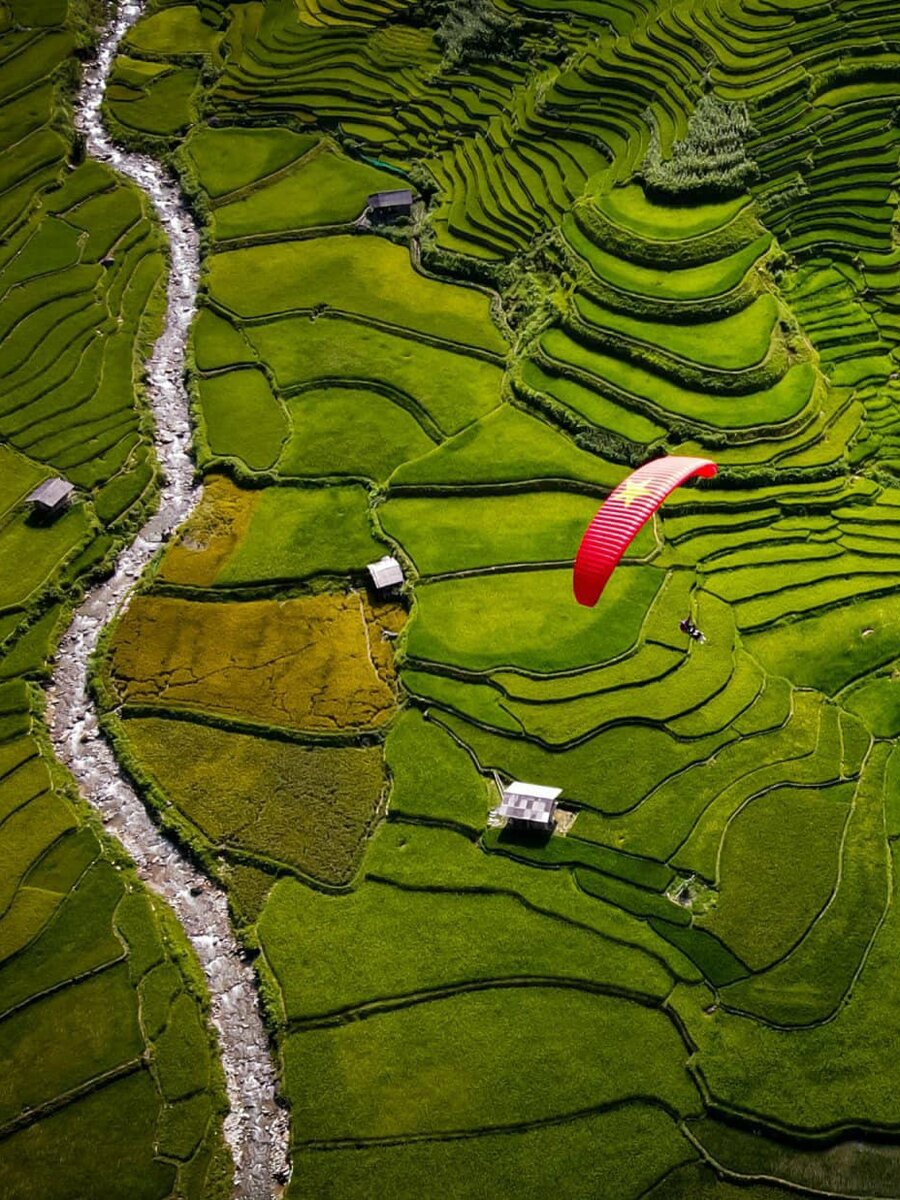
Mường Hoa Valley - Sapa
Easy to reach, iconic views, the crowd knows it.
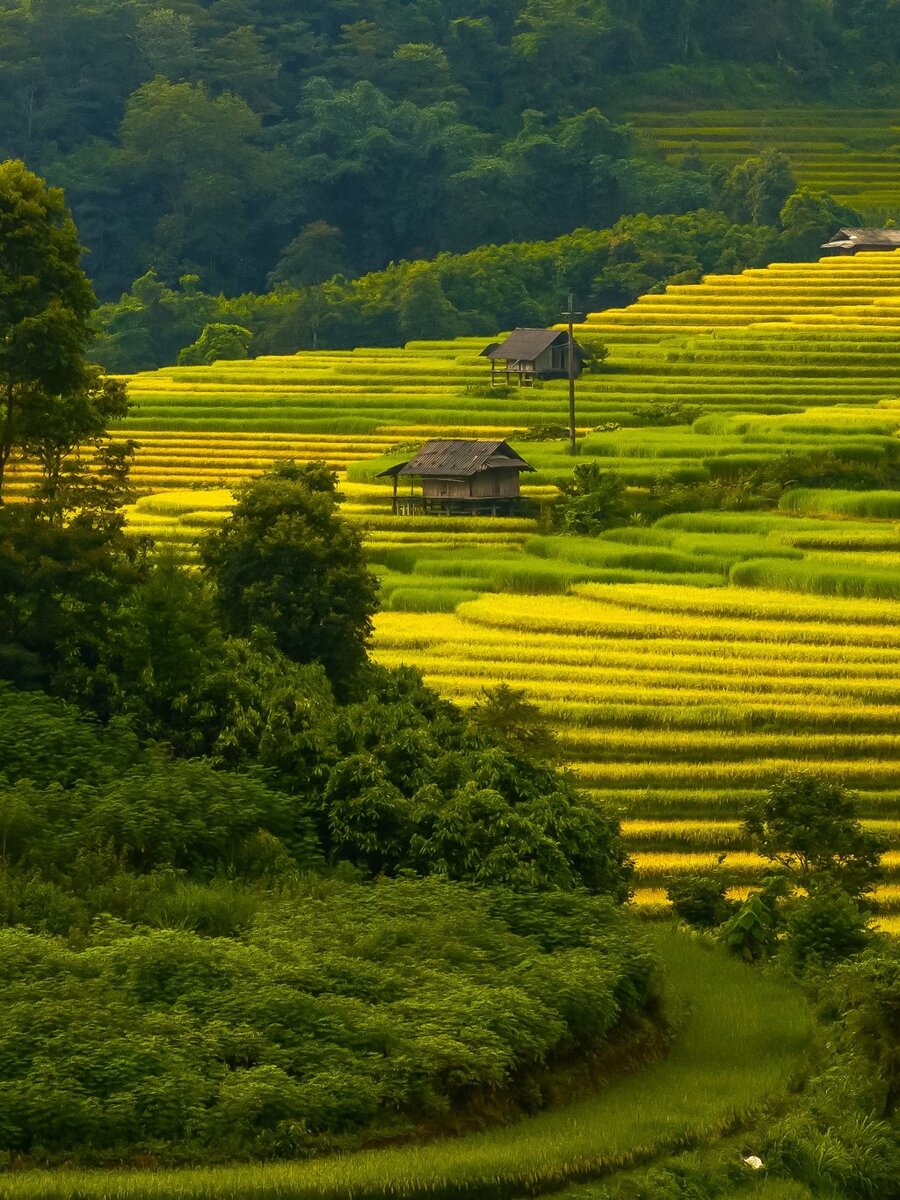
Nam Cang
Earliest gold, quiet, Red Dao families.
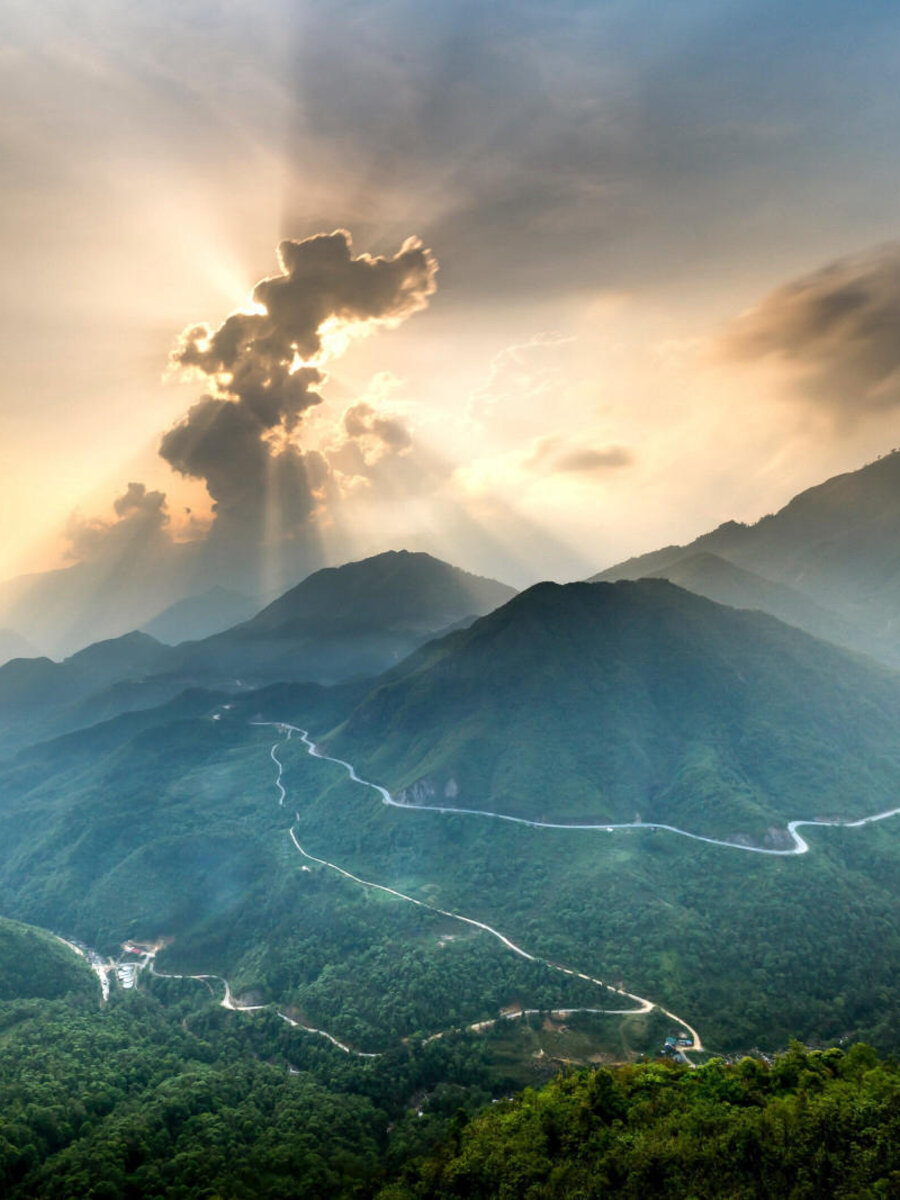
Lai Chau Route
Highest pass, longest season, almost no visitors.
Quick comparison
| Region | Crowd level | Transportation | Experience |
|---|---|---|---|
| Sapa Center | Extremely high | About 5 hours from Hanoi by train or car; easily reached | Easy, low-effort |
| Nam Cang | Low | Off the main road, reached only by private car or motorbike; no public transport | Quiet, immersive, with real local communities |
| Lai Chau | Low | On the main road by car or motorbike, over the Tram Ton (O Quy Ho) Pass, the highest in Vietnam | Off-the-beaten-path, needs more planning |
A closer look at each
Muong Hoa Valley (Sapa) is the classic Sapa view — wide terraces stacked down both sides of the valley, threaded with Black H’Mong and Giay villages like Lao Chai and Ta Van. It is the most photographed harvest landscape in the Northwest and the easiest to reach, which is exactly why it fills up. Come on a weekday and start early, before the day-trip vans arrive.
Nam Cang sits around 30 km southeast of Sapa town, a Red Dao valley that golds earlier than anywhere else in the region. There is only a handful of family homestays and almost no tourist infrastructure, which is the point: you eat with the family you stay with and walk terraces that are still working farmland, not a staged viewpoint.
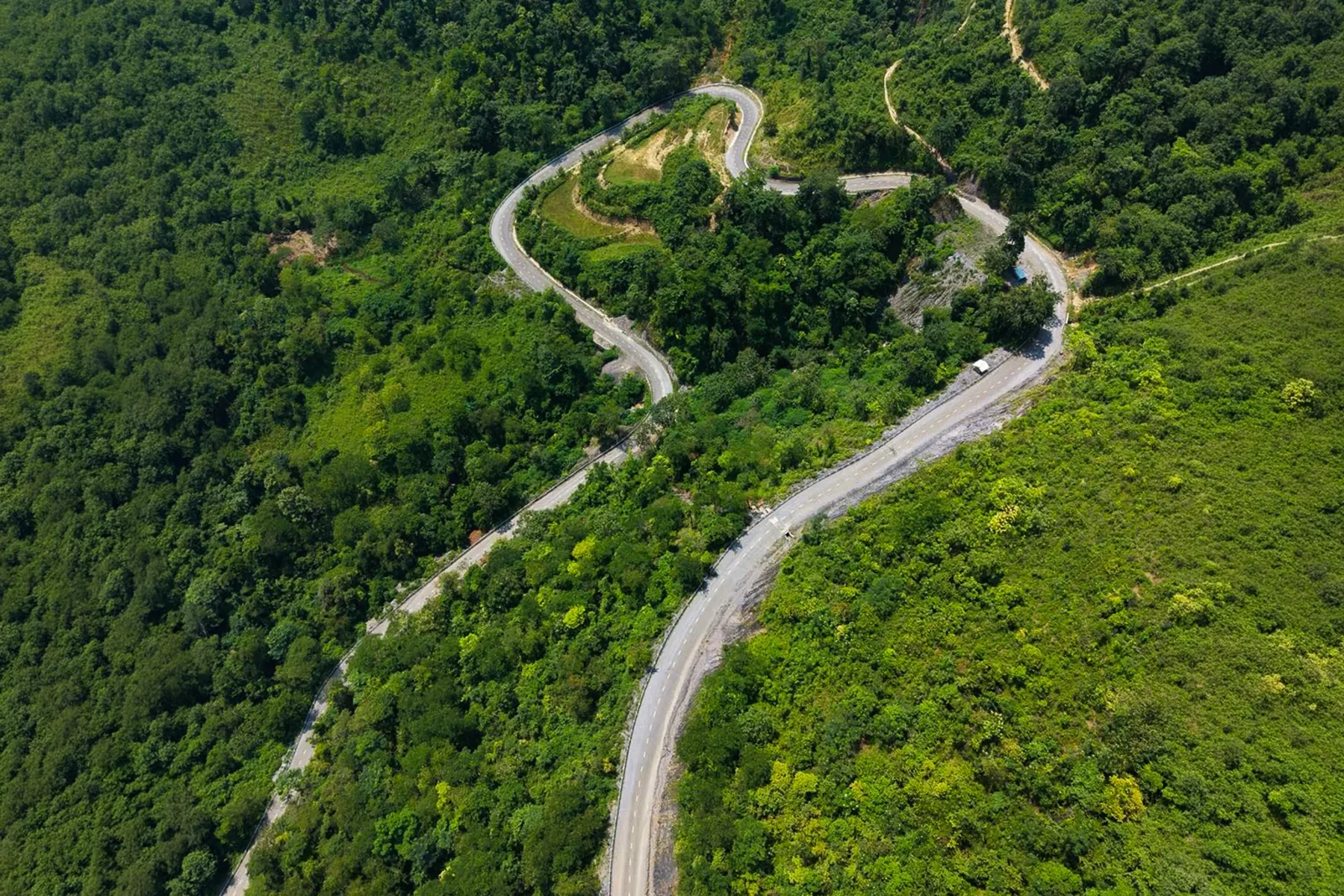
The Lai Chau route crosses the O Quy Ho pass — at over 2,000 m, the highest in Vietnam — into terraces that hold their gold later and see the fewest visitors of the three. It asks for the most time on the road, but the drive itself, over the pass and down the far side, is part of the reward.
Which one fits you
- Crowd tolerance — Sapa center means the most company on the trail and the most social atmosphere. Nam Cang and the Lai Chau route both trade that buzz for quiet, near-empty terraces.
- Travel budget — Sapa is the fastest and easiest to reach. Nam Cang adds detour time on unpaved roads with no public transport. The Lai Chau route asks for the most hours behind the wheel, much of it through mountain passes.
- Comfort along the way — Sapa’s route is fully paved and set up for visitors. Nam Cang and Lai Chau both need a private car or motorbike.
- What you’re really after — an easy, low-effort day trip points to Sapa. A balance of comfort and authenticity points to Nam Cang. A genuine off-the-beaten-path adventure points to the Lai Chau route.
None of these areas will disappoint on their own terms. They just reward different priorities.
What harvest season is actually like on the ground
Rice harvest season in Sapa is not just a view — it is something you notice with more than your eyes.
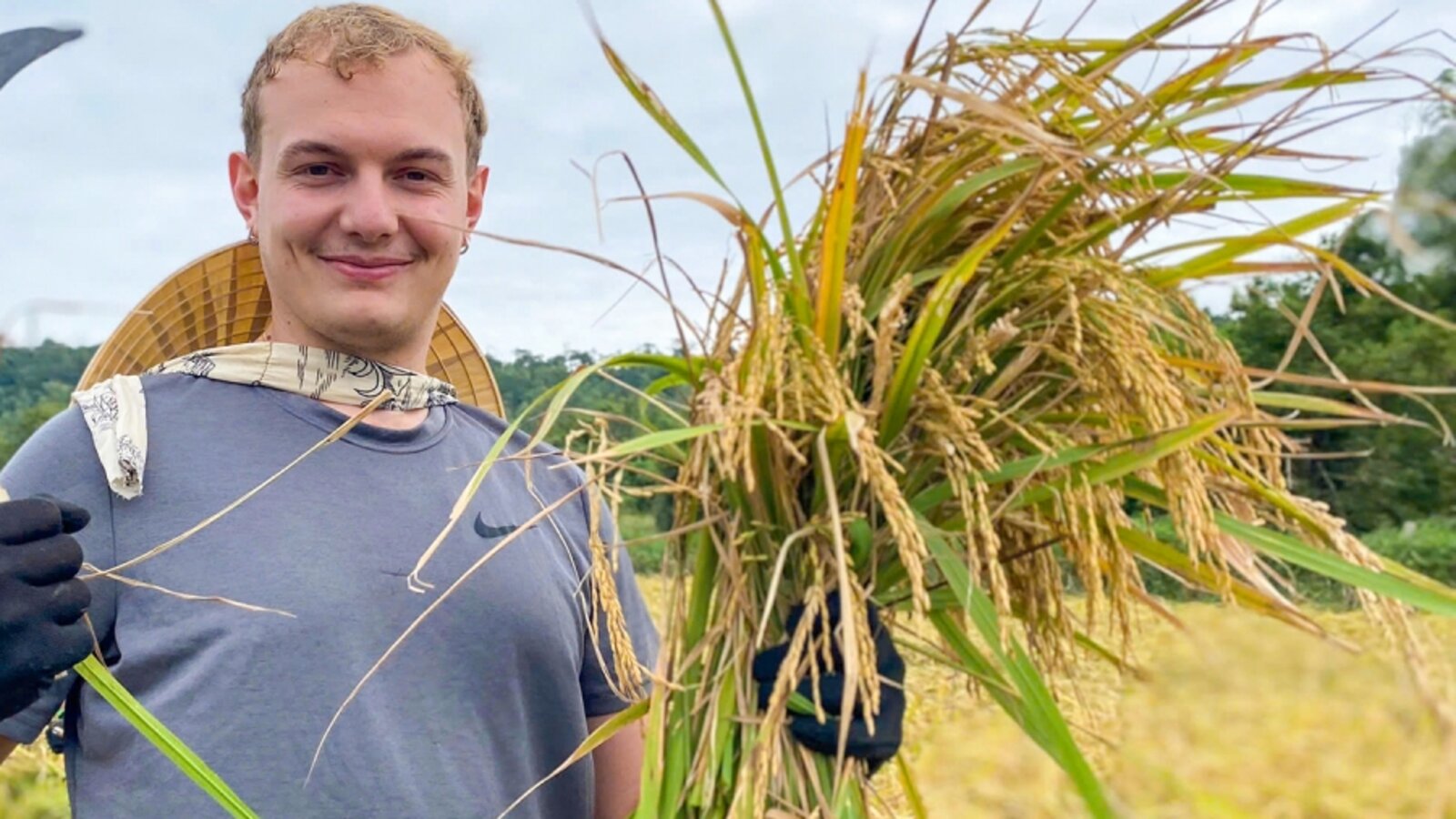
You smell it and hear it before you see it
Harvest announces itself before it comes into view. The air carries the dry, faintly sweet smell of cut straw, strongest in the late afternoon after the terraces have warmed all day. Underneath it runs the rhythmic thud of hand-threshing carrying across the valley, the swish of sickles further down the slope, and the occasional shout between family members coordinating from one terrace to the next.
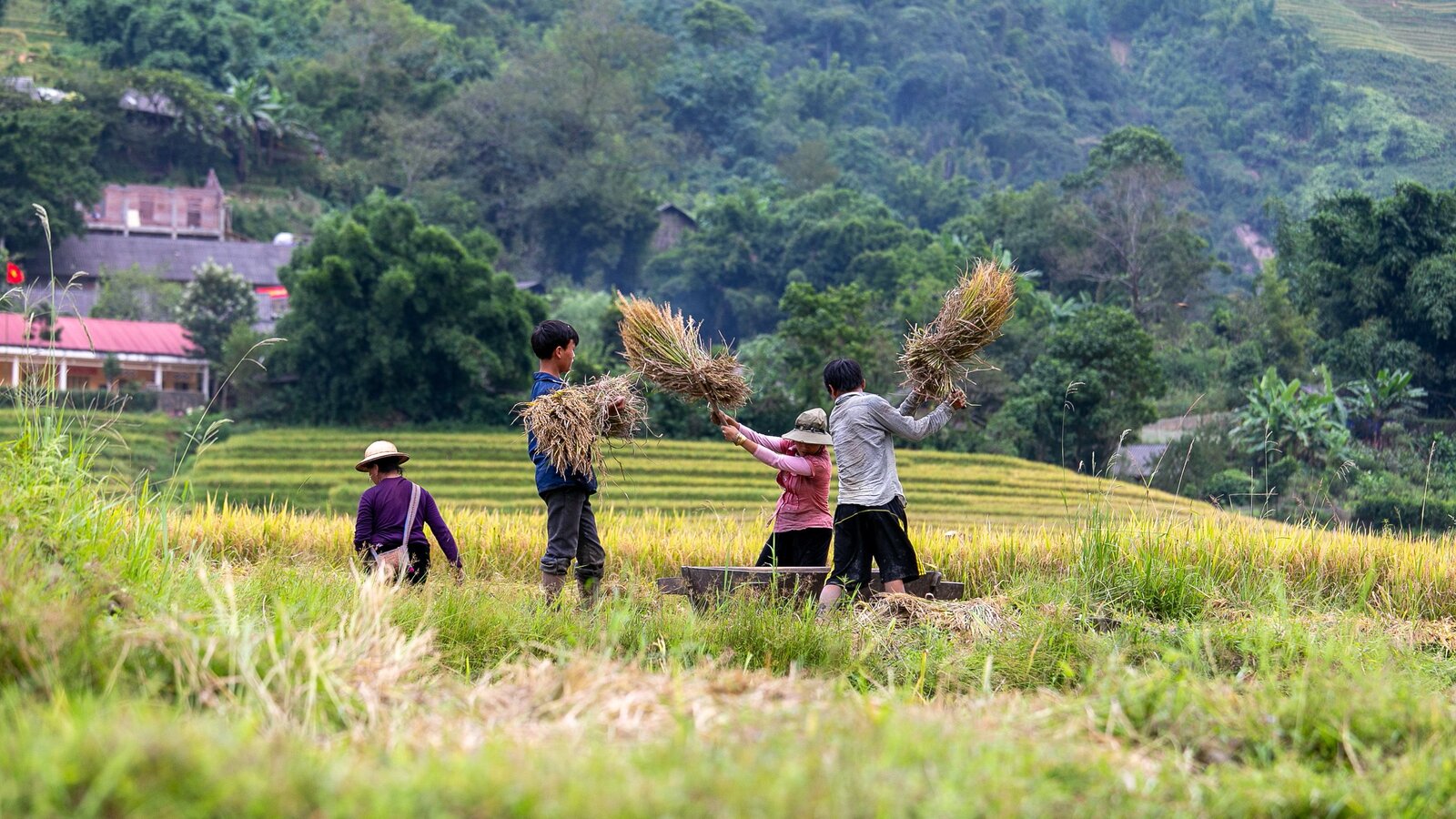
A whole hamlet moves as one
During peak harvest days, whole families and often entire hamlets move into the terraces together, racing to bring in the grain before rain or wind can knock it loose. Children carry bundles along narrow field edges, grandparents sort grain from chaff with practiced hands, and parents cut and thresh — three generations often working the same terrace at once. Neighbors move between each other’s plots too, a tradition of mutual help that has shaped harvest here for generations. It is a communal side of the season most visitors never get to witness up close.
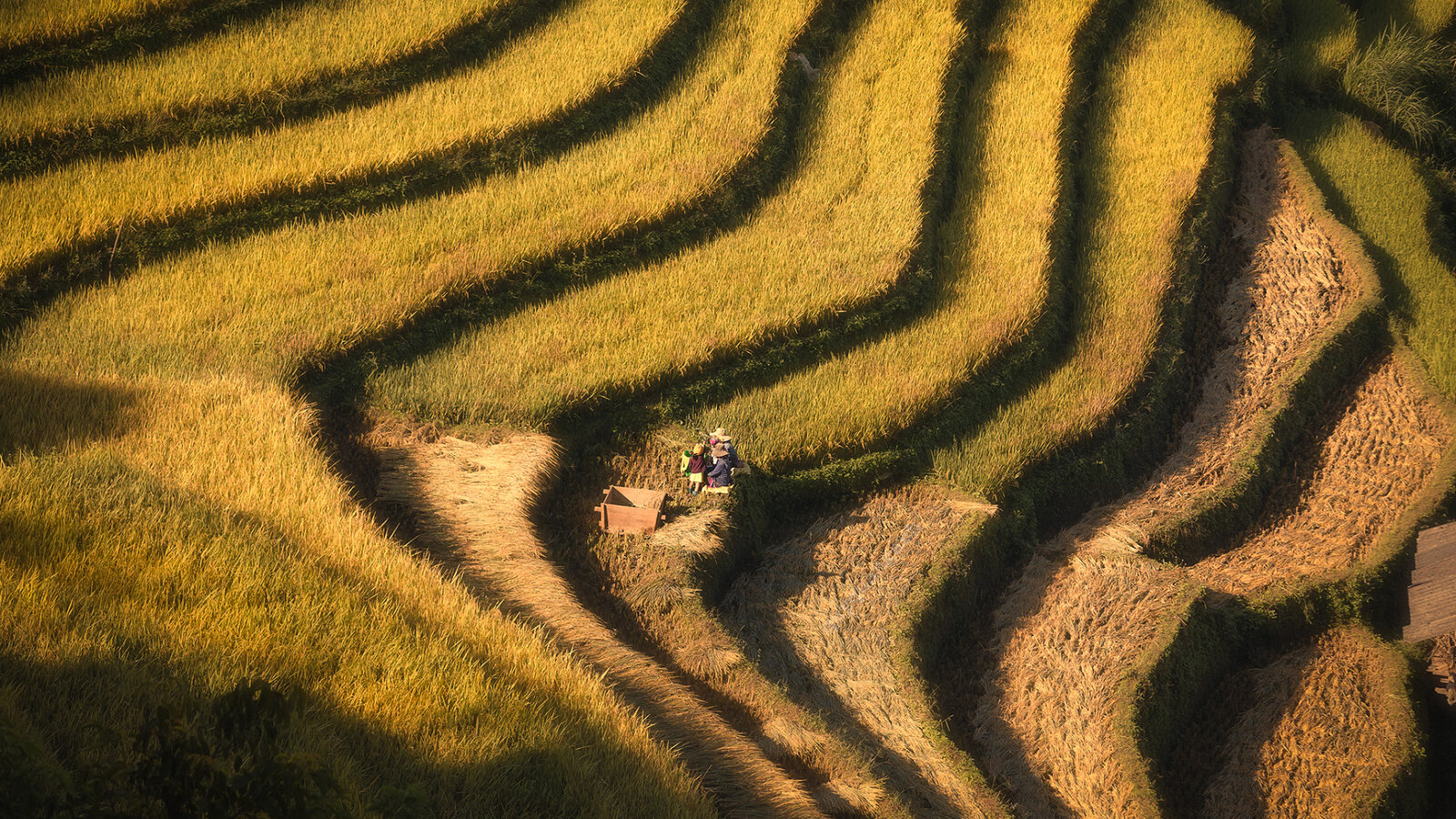
A terrace, told in hours
- Morning: the terrace still stands full of golden, uncut stalks, heavy heads bowing slightly in the breeze.
- Midday: cutting is underway, stalks laid in neat rows to dry briefly before threshing.
- Late afternoon: the same terrace is often bare stubble, with threshed grain already bagged and stacked at the field’s edge, ready to carry home.
- Straw: gathered into small mounds across the cut terraces — sometimes left to dry, sometimes already fed to buffalo grazing nearby.
Plan your trip
Getting there & how many days
Getting to Sapa from Hanoi takes four to five hours, whether by overnight train to Lao Cai and a short road transfer, or by direct bus or private car. If Nam Cang or the Lai Chau route are on your itinerary, build in extra driving time, since both sit further off the main road.
Most travelers find two to three nights enough for Sapa center and one nearby valley without feeling rushed. To add Nam Cang and the Lai Chau route as well, four nights gives you room to move around and chase better color if one area isn’t quite at its peak.
Weather & what to pack
September still falls within the tail end of the rainy season in northern Vietnam, so short afternoon showers and overcast stretches are genuinely possible rather than rare. This takes little away from the harvest views — the terraces still look striking under cloud — but it can make higher routes harder to see and some paths muddier underfoot. Leaving a spare day or two gives you a better chance of catching clear weather during your stay.
A short packing list for harvest season:
- A light rain jacket and quick-dry layers for September showers.
- Trekking shoes with real grip — terrace paths turn muddy fast.
- A warm layer for early mornings, especially on higher routes.
- Cash for homestays and village stops, where card acceptance is limited.
When to book
Because harvest timing shifts from year to year and rooms in Sapa fill fast once the color turns, book flights and accommodation four to six weeks ahead, then lock in your exact valleys and dates closer to the trip once fresher, real-time updates are available.
See the harvest with Morning Vietnam
Prefer a different pace? Explore the quieter Sa Pa – Nam Cang Tour, or the Sa Pa Trekking Classic for two days on foot through the terraces.
FAQ
When is the exact peak week?
There isn’t one fixed peak week for all of Sapa, because timing depends on altitude, valley, and the year’s weather. As a rule of thumb, the main Muong Hoa terraces are richest around September 10–15. Rather than betting on a single date, check real-time field conditions close to your travel dates.
Which valley golds first?
Nam Cang. It’s the earliest area in the Northwest to turn gold, usually from mid-August, well before Sapa’s main valleys. If you want full color with the fewest crowds, Nam Cang early in the season is the pick.
Is Sapa too crowded during harvest?
It depends where you go. Sapa center, especially Muong Hoa Valley, gets busy during peak color weeks, since it’s the easiest area to reach. If you’d rather avoid crowds, Nam Cang is a quieter alternative, and the Lai Chau route sees the fewest visitors of the three — though both take more time and effort to reach.
Can I join the harvest or just watch?
In most cases, watching respectfully from the field edges and pathways is the default, since harvesting is real work for local families, not a staged activity. That said, some homestays and tours arrange hands-on experiences where you can try cutting or threshing alongside farmers, with a host family’s permission. If joining in matters to you, ask ahead through your homestay or tour operator rather than stepping into a field uninvited.
What if it rains?
Light rain doesn’t ruin the trip, but it does change it. Fields still look good under cloud, though higher routes may be harder to see and paths muddier. Light showers rarely stop harvest work, so plans usually shift rather than cancel. Building in a spare day or two helps if rain lingers.
September vs October — which is safer?
September carries a higher chance of rain, since it’s still the tail end of the rainy season, but it’s when most of Sapa’s harvest color is at its best. October is drier and generally safer weather-wise, but by then the harvest has mostly finished in lower areas like Muong Hoa, with only higher routes like Lai Chau still likely to hold late color. If dry weather matters more, lean October; if catching harvest in full swing matters more, September is the safer bet.